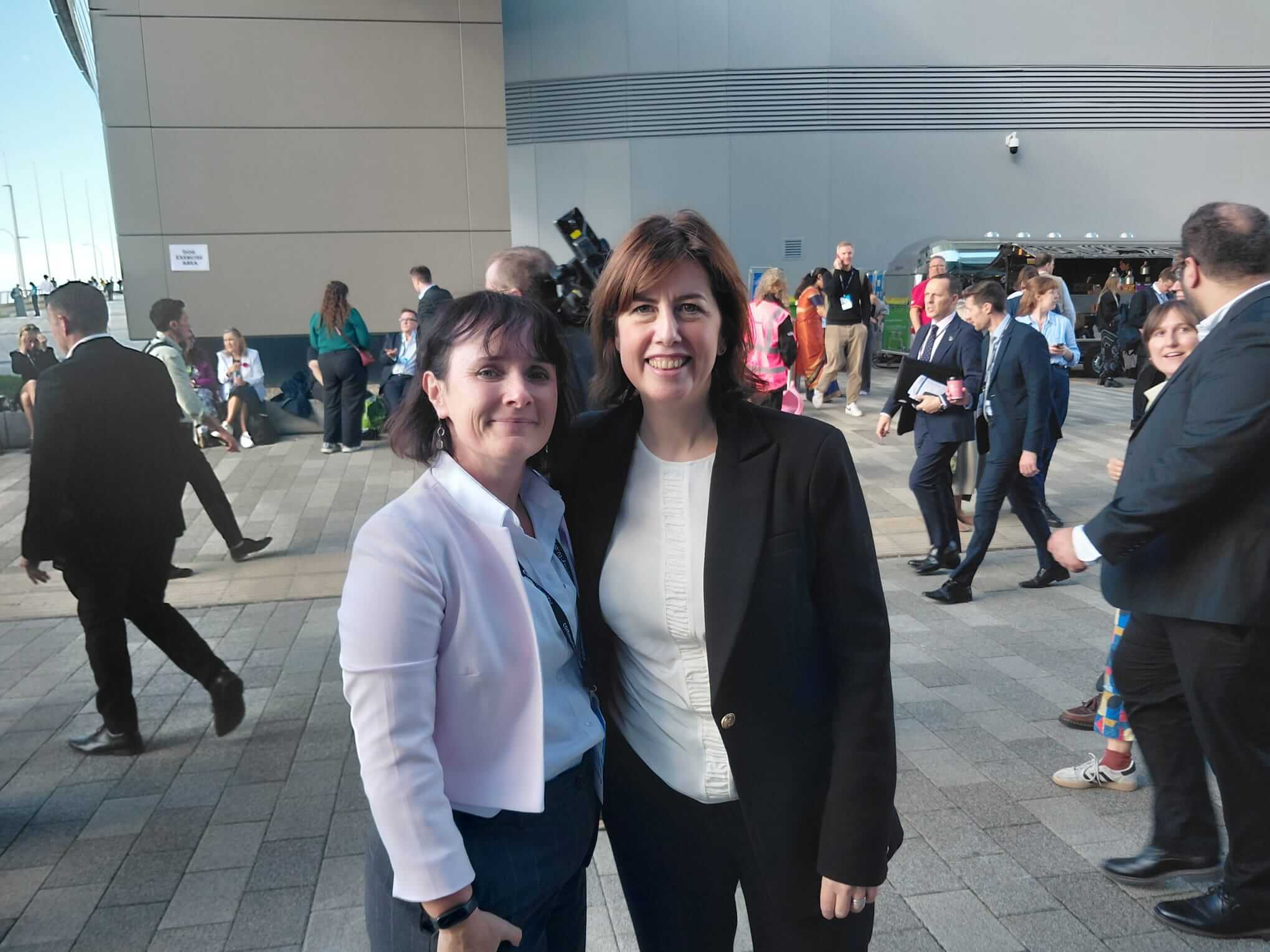
Baker Dearing CEO Kate Ambrosi has been featured in The i Paper calling for more young people to have access to high-quality technical education and employer engagement opportunities at school, after the newspaper revealed startling new student loan data.
The newspaper found 191,500 people are repaying student loans despite never having finished a degree. Between them, they owe more than £5.9bn.
The article reads: “The data may also add strength to the new Prime Minister’s argument for greater technical education routes, so youngsters don’t feel funnelled into higher education.
“Kate Ambrosi, chief executive of the Baker Dearing Educational Trust – which oversees a network of technical schools – said the figures showed the need for a ‘fundamental shift’ in how young people are prepared for their futures.
She said this needed to include ‘meaningful careers guidance in schools, alongside access to high-quality technical education and employer engagement’ before they turn 18.”
Read the full article here.
Thousands of students already receive high-quality technical education and employer engagement opportunities through Baker Dearing’s network of 44 University Technical College secondary schools.
Each UTC is developed with local employers, who help design the curriculum and deliver projects, work experience, mentoring and much more to students.
Around a fifth of UTC Year 13 leavers progress to apprenticeships each year, compared to six per cent nationally. Half of those apprenticeships are higher or degree level, compared to a third nationally.
Half of all UTCs in 2025 had no students who became NEET immediately after leaving. A quarter of UTCs have never had a student immediately become NEET after leaving.
Baker Dearing has also developed UTC Sleeves, high-quality and employer-led technical education pathways, in mainstream schools in Barrow-in-Furness and Bristol. Furthermore, the charity has developed an award for the Greater Manchester Baccalaureate, which follows on from the UTC and UTC Sleeve model in that it seeks to improve lines of sight for students between the classroom and the workplace.